The Gift of Learning: How Teachers Can Celebrate Growth
As the winter season approaches, classrooms often feel full; full of energy, full of activity, and full of moments that invite us to pause and look at how far our students have come. This time of year naturally encourages reflection, making it an ideal moment to refocus on one of the most meaningful parts of teaching: helping students recognize the growth they’ve made.
Learning is, in many ways, its own kind of gift. It isn’t something students receive all at once. It’s something they build through curiosity, persistence, and small, steady steps forward. Unlike grades, which capture only a snapshot, growth reveals the deeper story of how learning happens.
This season offers teachers a chance to spotlight that story. By shifting attention from performance to progress, we help students see their learning as something lasting, personal, and worth celebrating—not just in December, but throughout the year.
“Students thrive when their growth, not their perfection, becomes the focus.”
Why Celebrate Growth Over Grades?
Grades can be useful indicators, but they rarely reflect the depth or complexity of student learning. They can feel high-pressure or disconnected from the daily effort that students invest.
Growth, however, highlights the journey. It reflects how students think, stretch, practice, and develop new skills. When we celebrate growth, we:
- Build intrinsic motivation
- Students begin striving because they want to understand, not because they are chasing points.
- Strengthen self-efficacy
- Students start to believe that improvement is possible through their own effort and strategies.
- Foster a classroom culture of progress, not perfection
- Risk-taking feels safer, and students become more willing to explore ideas and engage deeply with content.
- Spotlighting growth helps students recognize how much they have accomplished and how capable they are as learners.
How to Celebrate Growth in Your Classroom
The following strategies help cultivate a growth mindset while honoring students’ progress.
1. Give Process-Focused Praise
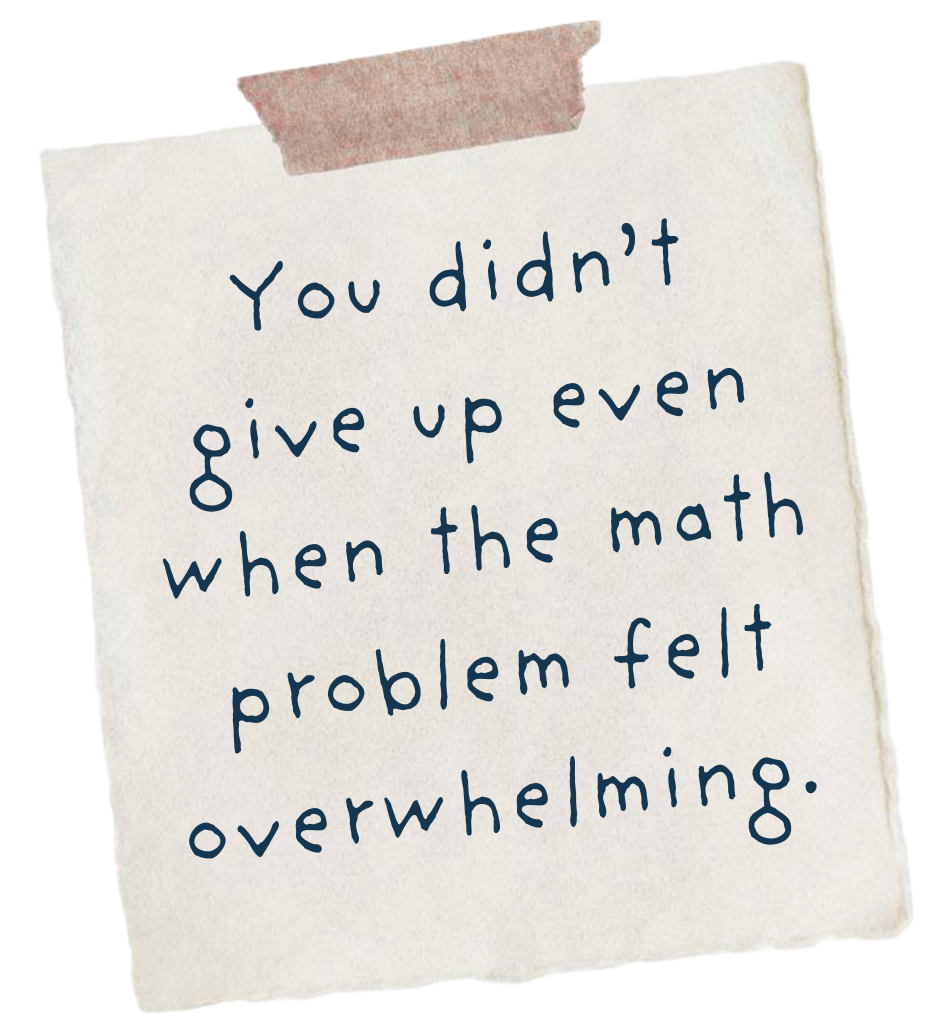
Shift the center of praise from outcomes to effort, strategy, and improvement.
Instead of saying, “You’re so smart,” try, “You tried two different strategies to solve this problem, and your persistence paid off.”
Process-focused praise helps students understand that learning is not about innate ability. It is something shaped by their choices and effort. This encourages confidence, lowers anxiety, and supports risk-taking.
Try this:
Write small “growth notes” acknowledging specific progress, such as:
“Your questions during our science lab showed how thoughtful and curious you were this week.”
These notes serve as concrete reminders of personal growth.
2. Build Regular Reflection Into Your Routine
Reflection helps students recognize progress that might otherwise go unnoticed. Weekly reflection journals or “Growth Journals” allow students to explore what they learned and how they learned it.
Reflection prompts:
- What can you do now that you could not do last week?
- What challenge did you face, and how did you work through it?
- What are you proud of that does not appear on a report card?
- What are you curious to explore next?
- What is one goal you want to set for the coming week?
Encourage students to revisit past reflections. Seeing previous entries strengthens their awareness of their growth over time.

Regular reflection increases students’ ability to retain new information and strengthens metacognition, which is one of the strongest predictors of academic success.
3. Build Regular Reflection Into Your Routine
Students often forget how much progress they have made. Before-and-after artifacts allow them to see evidence of their learning journey. Portfolios or scrapbook-style journals work well for this purpose.
Artifact examples:
- Early and recent writing samples
- Revisiting a math problem attempted in September
- Audio recordings of reading fluency from different points in the year
Pair these artifacts with short written reflections to help students understand what changed and why.
4. Celebrate Mistakes as Essential Learning Moments
Mistakes are powerful drivers of learning. When the classroom environment normalizes errors, students feel more comfortable experimenting and persisting.
Ways to normalize mistakes:
- Weekly “My Favorite Mistake” conversations
- A class mantra such as “Mistakes show we are trying.”
- Modeling your own mistakes as a teacher
- Adding “mistake reflections” to student journals
Reframing mistakes as opportunities helps students develop resilience and confidence.
5. Replace Traditional Rewards With Intrinsic Motivators
External rewards often overshadow authentic interest in learning. Instead, focus on autonomy, mastery, and purpose.
Try the following:
- Offer students choices in how they demonstrate their learning.
- Teach students how to set personal goals and track progress over time.
- Explain the purpose behind lessons or activities so students understand the “why.”
When students feel connected to their learning process, motivation becomes more sustainable and meaningful.
6. Hold Growth-Oriented Conferences

Before winter break, consider holding brief conferences, either student-led or teacher-led. The focus of these conversations can include:
- Personal progress
- Challenges overcome
- Next-step goals
- A “learning gift” students want to give themselves, such as confidence or patience
Using journals or portfolios during these conversations helps students take ownership of their learning journey.
“When we celebrate effort, we nurture confidence.”
Keeping the Momentum After the Holidays
When students return in January, revisit growth goals and continue regular reflection routines. Consistent use of growth-centered language and quarterly “growth check-ins” helps students see learning as a continuous journey rather than something tied to a grading cycle.
Continue adding artifacts, notes, and reflections to student journals or portfolios. These small but consistent practices keep growth visible and meaningful throughout the year.
Final Thought: The Best Gift of Learning
The most meaningful parts of learning are not measured by letters or numbers. By honoring progress, effort, and the small steps that move students forward, we help them see that growth is something they carry with them long after the season ends.
This mindset extends beyond the classroom. Students preparing for important exams also experience learning as a series of small, steady gains. Progress comes from reflection, strategy, and persistence—the same habits we nurture in classrooms every day. That is why Passage exists: to support learners on their journey, help them recognize their growth, and guide them toward their goals with confidence.
Growth is a gift at every stage of learning, and it deserves to be celebrated wherever it happens.
Share This Story, Choose Your Platform!
About the Author: Elizabeth Contreras